Paid for by Trade Connects US
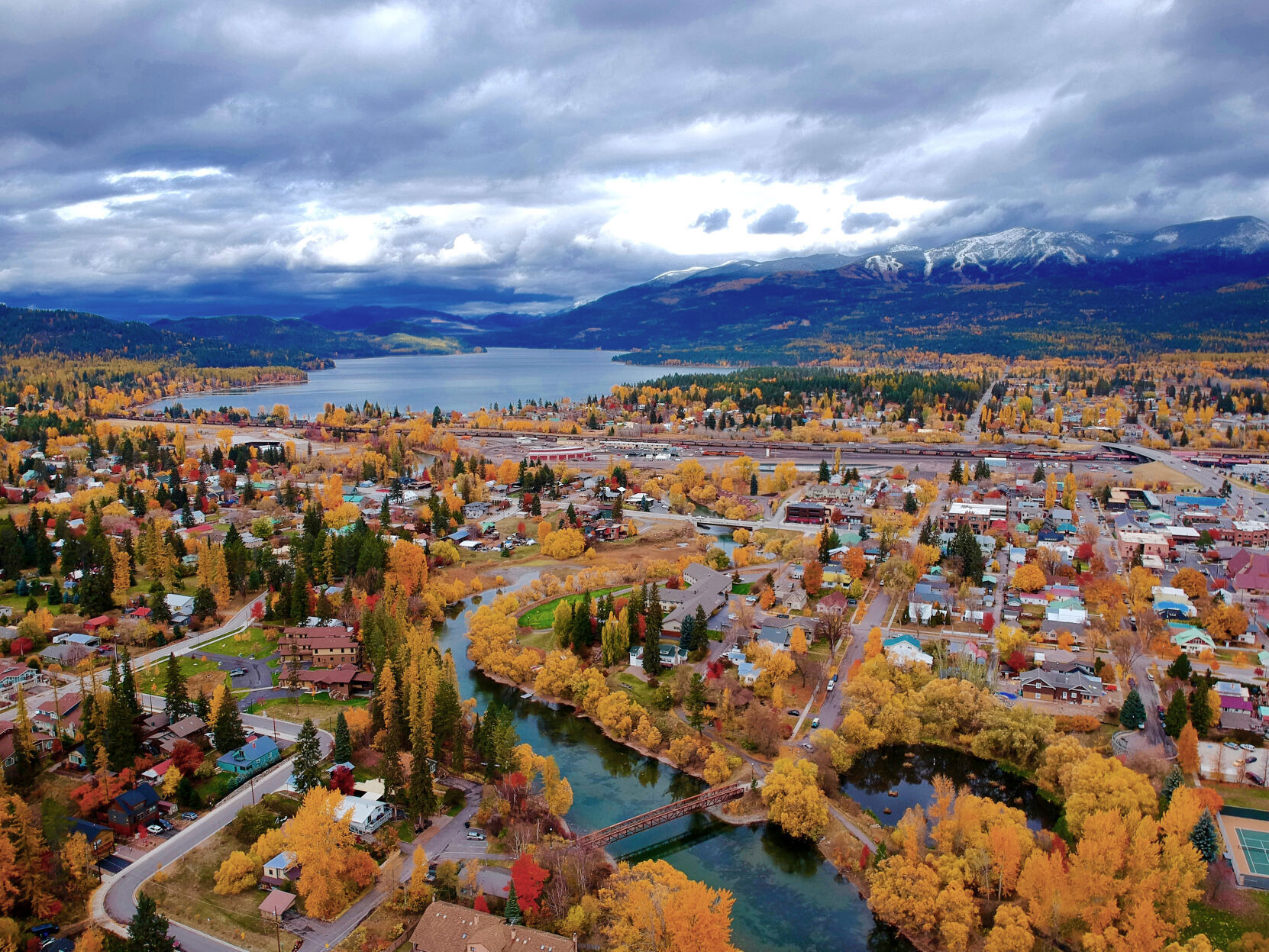
In Whitefish, Montana, tourism is more than a seasonal boost — it’s the economic engine that supports local jobs, small businesses and the character of the town itself.
“Tourism touches nearly every part of life here,” said Zak Anderson, executive director of Explore Whitefish. “It’s what keeps our restaurants full, our lodges busy and our small businesses thriving.”
But this year, the familiar rhythm of the local tourism economy has shifted.
Canadian visitation to Whitefish is down 25%, Anderson said — a steep drop for a region where cross-border travel has long been a reliable source of business. The impact is being felt across the board, from hotels and outfitters to retailers and restaurants.
“Canadian travelers have always been some of our most consistent visitors,” Anderson said. “When they stay away, the impact is significant.”
Anderson points to ongoing tariff threats and shifting border policies as key drivers of the trend. “It’s not that Canadians don’t want to come to Montana,” he said. “It’s that they’re concerned about what to expect — and whether they’ll feel welcome.”
That uncertainty throughout the market has created a ripple effect, especially for tourism-dependent communities like Whitefish. Businesses that make staffing and supply decisions months in advance are finding it harder to stay nimble. “Many small businesses, like restaurants, run on tight profit margins. So when prices on nearly everything increase, it makes it harder and harder to stay profitable, regardless of what’s happening with visitation.”
While domestic tourism has done well and is actually increasing during the peak summer months, the 25% loss of Canadian tourism is still a factor. “Many of our U.S. visitors are here for shorter stays, and Canadians are historically repeat business — especially in the off season when our businesses need it the most,” Anderson said. “The uncertainty in the market is driving a ‘hyper seasonal’ trend that is less sustainable.”
The region is also contending with staffing reductions at Glacier National Park amidst near record visitation. Reduced services inside the park affect everything from trail access and traffic management to ranger programs and restroom maintenance. The resulting strain often shifts to nearby communities.
“When Glacier’s visitation surges but staffing and services are limited, it puts more pressure on communities like ours,” Anderson said.
What tourism leaders like Anderson say they need most is stability — clear, consistent policies that support recreational opportunities and small businesses. Smart policy and consistency allow gateway communities to plan ahead and welcome visitors with confidence.
“Communities in Montana are resilient,” he said. “But when the rules keep changing, it becomes harder to plan, invest or build for the future.”
Learn more at tariffscostus.com.