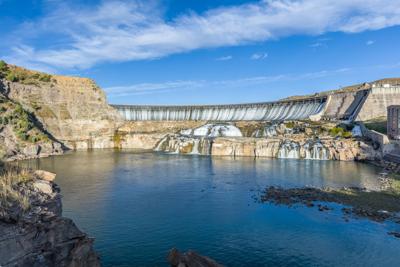
In Montana’s Ravalli County, water is light, water is heat, water is power. And though many residents know their county is a model for the nation in terms of providing highly reliable and sustainable electricity, few understand just how much of the county’s power comes from water, said Melissa Greenwood, manager of communications for Ravalli Electric Cooperative.
“Eighty-five percent of our power is hydropower,” Greenwood said. “We are fortunate to have access to the lower Snake River dams, and they provide a reliable resource for us versus other parts of the country that don’t have access to hydropower and have to rely on other power resources.”
Grid reliability is a balancing act for electric companies: A perfect balance must be kept between the amount of energy generated and the amount consumed. Too much or too little and energy infrastructure begins to fail, resulting in brownouts or blackouts. During heat waves and cold snaps, energy demand increases, threatening this delicate balance in communities that depend on less flexible power sources.
Hydropower can ramp up and help meet the demand. In fact, Greenwood said, during the extreme cold snap in the Bitterroot Valley two years ago, Ravalli was able to keep everyone’s lights and power on solely because of hydropower.
“The power source was a hero during that time because, though our systems were pushed to their limits, we were actually able to keep up with the demand,” Greenwood said. “Because the days were dark, cold and windless, our system’s other power resources — solar and wind generators — couldn’t provide the level of support needed. Long cold winters really can put a strain on a power system, but our water always comes through for us.”
Ravalli Electric Cooperative is part of Northwest RiverPartners, an organization that advocates for the benefits of Northwest hydropower on behalf of members throughout eight states, including Montana. As the demand for carbon-free energy and climate-friendly policies grows, hydroelectric power remains the backbone of the Northwest’s energy supply. Ravalli County’s more than 1,300 miles of distribution power lines provide electricity to 9,600 consumers.
“We are on the smaller size, yes, but we still cover a pretty large area from one end to the other,” she said.
According to Greenwood, hydropower has many benefits including its affordability, reliability and carbon-free qualities. The federal dams along the Columbia and Snake rivers also help control floods, provide a cost-effective shipping method, and help irrigate farms. Another strength of the hydropower dams is that they act as a natural energy storage system by holding water when solar and wind power are in abundance and releasing it when more electricity is needed.
“The water is so important to us in our area,” Greenwood said. “It is a very reliable resource and allows us to provide electricity to those who need it, when they need it.”
Visit nwriverpartners.org for more information about hydroelectric power.